

The Reel Review
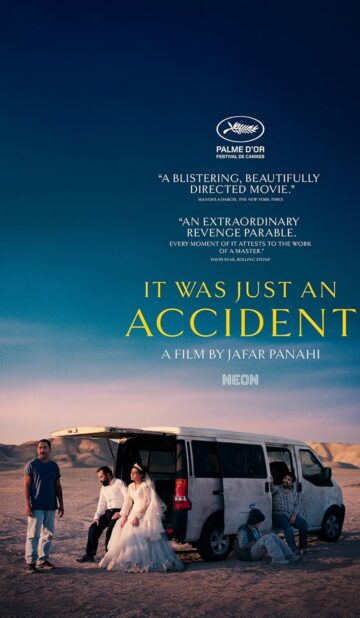
Several years after his release from prison, a former Iranian political prisoner working as an auto mechanic kidnaps the man whom he believes was one of his main torturers, with the intention of burying him alive in the desert. But when he becomes unsure if he has the right man, he enlists the help of fellow former political prisoners to verify the man’s identity, in this crime thriller from Iranian director Jafar Panahi.
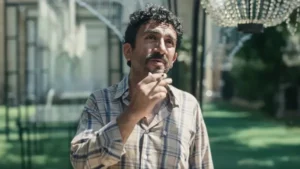
The score-less film is immersive, exploring, as expected, themes of revenge, trauma and compassion as the ragtag group of former prisoners, all kept blindfolded during their respective torture sessions, must use their other senses – hearing, smell and touch – to identify their potential torturer. That element of uncertainty is compounded by moral questions that arise as the group becomes involved with the man’s pregnant wife and young daughter. Some even ask, how much blame does this one man deserve for doing his job under a repressive authoritarian regime?

It Was Just an Accident is by no means a perfect film – some of the plot twists cross over into the absurd, the pacing is slow and the comic tonal shifts are jarring, given the film’s serious subject matter. The film is also understandably a bit timid in speaking out against the government and fails to delve into any real emotional depth. Nevertheless, just the fact that this film was illegally made under the Iranian government’s nose is a feat in itself, as it lumbers to an intentionally ambiguous ending that raises the question: do we ever truly recover from emotional trauma?
REEL FACTS

• Filmed in Iran in secret defiance of the government’s efforts to keep Jafar Panahi from making films, and with post-production done in France, It Was Just an Accident is France’s 2026 Oscar entry for Best International Film and won the top prize, the Palme d’Or, at the 2025 Cannes Film Festival.
• Jafar Panahi says he got the idea for the film during his last stint in prison from July 2022 to February 2023 for “subversion against the Iranian government.” In 2010, the government sentenced him to six years in prison as well as a 20-year ban on filmmaking.
• In December 2025, the Iranian government sentenced Panahi to one year in prison in absentia for anti-government “propaganda activities” and a two-year-ban on leaving Iran, which would effectively keep him out of the public during the 2026 awards season. His lawyers are appealing.
Video & Photo
